
Phenomenology3

Re: Memory, Absence, and the Architecture of Experience

Introduction
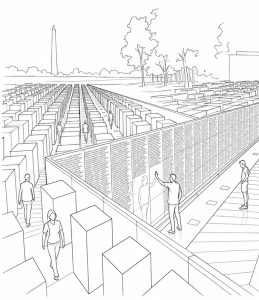
Memorial architecture is often associated with permanence, symbolism, and national identity. However, contemporary memorials increasingly challenge traditional monumentality by focusing on emotional and spatial experience rather than heroic representation. Maya Lin’s Vietnam Veterans Memorial and Peter Eisenman’s Memorial to the Murdered Jews of Europe demonstrate two radically different approaches to collective memory. While both reject conventional statues and nationalist imagery, they construct remembrance through entirely different relationships to site, movement, identity, nature, and psychological experience. Continue Reading


Spirit of Place Through Primitive Form Oswald Mathias Ungers and the German Architecture Museum

Introduction
Architectural phenomenology argues that buildings should not be understood merely as visual objects or technical systems. Instead, architecture gains meaning through lived experience, memory, atmosphere, and the relationship between people and place.[1] Against the universal logic of modernism, phenomenological theory emphasizes sensory perception and the emotional depth embedded within architectural space. Continue Reading

Synthesizing Phenomenology: The Screen, the Senses, and the Real World

Introduction
Contemporary architectural practice increasingly takes place in digital space. Buildings are designed, visualized, coordinated, and marketed through screens long before they are physically experienced. Renderings, BIM workflows, computational systems, and image-based media now shape not only how architecture is produced but also how it is understood culturally. Yet phenomenological theory argues that architecture cannot be reduced to representation or visual information alone. Architecture ultimately gains meaning through bodily experience, sensory perception, atmosphere, and material presence [1]. Continue Reading