


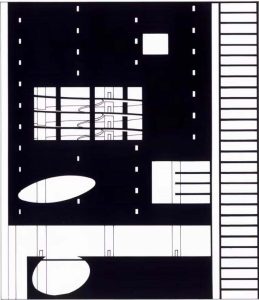
Rem Koolhaas, founder of OMA, has consistently challenged conventional architectural typologies through projects that question how buildings relate to culture, information, and urban life. His proposal for the Très Grande Bibliothèque in 1989 was never realized, yet it remains one of OMA’s most influential theoretical works.[1] Rather than imagining the library as a silent container for books, Koolhaas redefined it as an active civic institution shaped by movement, interaction, and collective experience. Continue Reading